How to Choose the Best Cream for Cracked Heels and Dry, Rough Feet
-
rahulsaini rahulsaini
- Posted on
Dry, rough, cracked heels are common foot care worries. They can be painful and affect self-esteem. Thickened skin around the heels can be caused by prolonged standing, walking barefoot, wearing inappropriate shoes, dry weather, and not regularly moisturizing. If the skin is deprived of water and elasticity, it can roughen and crack, sometimes painfully.
The right cream for cracked heels can soften thickened skin, add moisture, and support the skin’s natural protective barrier. But not all foot creams are the same. Some products are moisturizing; others have ingredients that help loosen hardened skin and reduce roughness.
The changes in the weather, the way people in India walk on a daily basis, and prolonged exposure to dust can make consistent foot care especially useful. Consumers who prefer plant-based ingredients may also be drawn to herbal foot creams, but you should always consider the full formulation and suitability for your skin.
This guide provides tips on how to choose the best cracked heel cream, what ingredients to look for, and how to create a successful daily foot care regimen.
What Causes Dry, Cracked Heels?
Cracked heels, also known as heel fissures, form when the skin around the heel dries out, thickens, and loses its elasticity. The hard skin can crack under the pressure of walking and standing.
This condition may have several factors:
• Weather: Low humidity and seasonal changes can cause dry skin.
• Extended periods on your feet: Repeated pressure can lead to thickened skin around the heels.
• Wrong footwear: Open-backed shoes and ill-fitting shoes can increase pressure and friction.
• Moisture deficiency: Skin that is dry may not be as pliable and may be more prone to cracking.
• Hot water and strong cleansers can take natural oils out of your skin.
• Underlying conditions: Eczema, psoriasis, diabetes, and a number of other health conditions can all contribute to ongoing heel problems.
Knowing the cause also assists you in choosing the best cream for cracked heels and if any extra care is required.
Best Cream for Cracked Heels: What to Look For in Ingredients
Check the ingredients when choosing foot care products; don’t just go by fragrance, packaging, or marketing claims.
1. Urea for Coarse and Thick Skin
Urea is a common ingredient in moisturizers for dry, rough skin. It draws moisture and, in the right concentrations, can help to soften thickened areas.
Foot creams containing 10%–25% urea are usually used to treat dry, cracked heels. Higher concentrations can produce a more noticeable skin softening effect but may also cause irritation, so choose your product to suit the condition of your skin.
If you have rough heels or find hard skin patches, an appropriate formulation with urea could help smooth the skin. Do not apply exfoliating products to deep open or bleeding cracks without professional advice.
2. Glycerin to Hold in Moisture
Glycerin is a humectant, which means it helps draw water into the outer layer of the skin. It is often found in moisturizing creams for dry skin.
Glycerin foot cream will help relieve the tightness and increase softness. It works well with richer ingredients that help to lock in moisture.
For people with mildly dry heels, glycerin-based moisturizers can be a useful part of a regular foot care regimen.
3. Shea butter for softening
Shea butter is a plant-derived emollient used in many skin care formulations. Helps to soften the skin and aids in achieving a smoother feel by reducing dryness on the skin surface.
If you’re experiencing rough heels from walking a lot or from dry conditions, you might want to try a foot cream with shea butter.
But natural ingredients can still irritate some people. If you experience redness, itching, or irritation, discontinue use and consult the product label.
4. Protect the Skin with Petroleum Jelly
Petroleum jelly is a protective barrier that helps to lock in moisture. It is particularly useful if you are doing an overnight moisturizing treatment.
Apply moisturizer to the heels on clean, slightly damp skin and, if needed, cover with a thin layer of petroleum jelly. Make sure to wear clean cotton socks overnight to help keep the product in place.
The use of the best cream for cracked heels can be supplemented by this method, especially if dryness returns soon after a bath.
5. For Rough Skin: Lactic Acid
Lactic acid is an alpha hydroxy acid used in some skin care products to help soften thickened skin and improve moisture retention.
In the right formulation, it can be valuable for rough, flaky heels. “But exfoliating ingredients can sting or irritate broken skin.”
Do not use products with exfoliating acids on open cracks. If you have diabetes, poor circulation, or reduced sensation in your feet, you should speak to a healthcare professional before using any treatments that soften or exfoliate thickened skin.
6. Botanical Oils and Botanical Ingredients
Certain foot creams include plant oils and herbal ingredients that are supposed to condition and soften skin. Depending on the formulation, these ingredients can help make your moisturizing routine feel more comfortable.
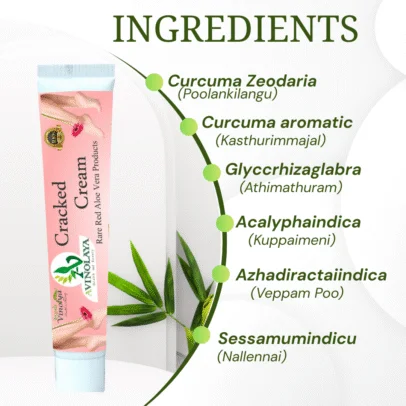
Choosing a herbal foot cream? Check for clear ingredient labeling, appropriate usage instructions, and a formulation for dry feet.
Just because it’s “natural” doesn’t mean it’s safer or better. The full formula, the quality of the ingredients, and how your skin reacts to them all matter.
How to pick the right cream for your feet
The best cream for cracked heels will depend on how dry your skin is and whether it’s just rough or has become painful with cracks.
For mildly dry heels, pick a moisturizing cream containing glycerin, shea butter, or other appropriate emollients.
If you have thick, rough heels, look for a foot cream that contains urea or another skin-softening ingredient that is appropriate.
Very dry heels: Use a rich cream or ointment with petroleum jelly at night to help reduce moisture loss.
For sensitive skin: Choose a fragrance-free formula when possible, and avoid ingredients that have caused you irritation in the past.
For Deep Cracks & Painful Cracks: Instead of using just cosmetic moisturizers, get medical advice.
A good product should not burn, cause redness or irritation, and should be comfortable.
How to Use Cracked Heel Cream the Correct Way
Even a suitable product may have limited benefits if it is not applied consistently. Please follow these steps to establish a daily routine for foot care.
Step 1: Gently Wash Your Feet
Soak your feet in warm water and mild soap. Don’t take long, hot showers, which can dry out your skin. Instead of scrubbing your feet, pat them dry with a clean towel.
Step 2: Post-Bathing Application of Cream
Apply your favorite cream for cracked heels a few minutes after bathing when your skin is still slightly damp. Generously apply to dry heel areas and gently massage in.
Follow the label directions for frequency, especially if the cream contains urea or exfoliating ingredients.
Step 3: Establish an Overnight Routine
Before bed, apply a thick moisturizer or ointment to intact, dry heel skin. A thin layer of petroleum jelly can help seal in moisture. Wear clean cotton socks, if comfortable.
Don’t walk on slippery surfaces immediately after using greasy products.
Step 4: Consistency
Moisturize regularly rather than waiting until the skin becomes extremely dry. Mild dryness may get better in a few days, but thickened skin and cracks can take longer.
Consult a healthcare professional if the cracks are more painful, bleeding, infected, or not healing.
Daily Habits To Avoid Cracked Heels
Caring for your heels is not all about the right cream. Daily habits can reduce dryness and shield the skin.
• Supportive shoes: Wear shoes that fit properly and give you enough support in the heel.
• Don’t walk barefoot on rough surfaces: Protect your feet from unnecessary friction.
• Moisturize regularly: Apply a foot cream after bathing and whenever your heels feel dry.
• Don’t cut hard skin: Do not use knives or sharp objects to cut away calluses.
• Practice gentle foot care: Don’t scrub hard, as this can harm your skin.
• Inspect your feet regularly: Look for cuts, redness, swelling, or any other changes.
People with diabetes or poor circulation should treat cracks and wounds with special care and seek professional guidance immediately.
Discover Herbal Foot Care at Sai Vinolaya Herbals
Sai Vinolaya Herbals invites interested consumers of herbal personal care products to visit and explore the range of products and information available there.
When selecting a cracked heel product, ensure the product is designed for foot care, read the full list of ingredients, and adhere to the instructions on the packaging.
The best cracked heel cream isn’t always the most expensive product or the one with the most botanical ingredients. Find a formula that matches your dryness level, feels good to use, and is appropriate for everyday use.
If you have heel pain that doesn’t go away, deep cracks, or any signs of infection, it is important to see a healthcare professional for evaluation. A dermatologist or other qualified medical professional can help identify the underlying causes and recommend an appropriate treatment plan.
Summary
Repeated pressure on skin that has lost its moisture can make dry, rough, cracked heels uncomfortable. Choosing a good moisturizer, applying it regularly, and wearing supportive shoes can help increase the skin’s softness and prevent further dryness.
If you’re searching for the best cream for cracked heels, look for ingredients like urea to treat thickened skin, glycerin for hydration, shea butter for softness, and petroleum jelly to lock in moisture. Lactic acid can help with rough skin if used properly. Herbal ingredients may add conditioning benefits, depending on the formulation.
Set up a basic routine of gentle cleansing, regular moisturizing, and sleep protection. If the cracks are deep, painful, bleeding, or not healing, you should seek medical advice instead of just using cosmetic products.
Frequently Asked Questions ?
1. Which cream is best for cracked heels?
The right cream depends on the condition of your skin. Thickened skin can be softened by urea-containing creams, and glycerin- and petroleum jelly-containing moisturizers help maintain moisture. If the cracks are deep or painful, you may need to see a doctor.
2. What are the ingredients of a cracked heel cream?
Useful ingredients are urea, glycerin, shea butter, and petroleum jelly. Lactic acid can help smooth rough skin in the right formulations, but not on open cracks without guidance from a professional.
3. How often should I use foot cream for dry heels?
Follow the label on the product. Moisturizing creams are often recommended for daily or twice-daily use. Applying a moisturizer right after a bath or before going to bed can help keep skin moisturized.
4. Do herbal creams work on cracked heels?
Herbal creams, if they have the right ingredients, can be helpful to moisturize and soften dry skin. The effectiveness depends on the full formulation, the quality of the ingredients, and the consistency of use.
5. How long does it take for cracked heels to heal?
A daily moisturizing routine may begin to improve mild dryness in a few days. Thicker skin and deeper cracks may take longer to heal. If the cracks persist, bleed, or are painful, have them examined by a health care professional.
6. When to See a Doctor for Cracked Heels?
See a doctor if they are deep, bleeding, swollen, or becoming more painful or infected. If you have diabetes, poor circulation, or loss of sensation in the foot in the case of heel cracks or wounds, seek professional advice immediately.
Check out herbal personal care products at saivinolayaherbals.com.