Face Pack for Glowing Skin: Ingredients, Benefits, and Simple Skin Care Tips
-
rahulsaini rahulsaini
- Posted on
The secrets to healthy and glowing skin are regular skincare, proper hydration, and ingredients that suit your skin type. But sunlight, dust, pollution, changing weather, and an improper skincare routine can make the face look dull, dry, or tired. A good face pack for glowing skin can be a useful addition to your regular skincare routine, providing extra hydration, helping to control excess oil or leaving your skin feeling softer and smoother.
In India, popular natural ingredients for facial care include aloe vera, turmeric, sandalwood, and fuller’s earth. Current formulas also might feature ingredients like glycerin, hyaluronic acid, niacinamide, and soothing botanical extracts.
The thing is you need to pick a product based on what your skin needs, not just because it’s trending in beauty. A face pack can help with skin hydration and appearance but will not replace daily cleansing, moisturizing, sun protection, or medical treatment where required.
This guide explains the benefits of face packs, ingredients to look out for, application methods, and simple habits to help you keep your skin looking healthy.
What is a Face Pack for Glowing Skin?
A face pack is a product for skin care that you put on your face for a limited amount of time and then wash off or remove according to the product instructions. The formulation can help to moisturize the skin, absorb excess oil, gently exfoliate the surface, or simply provide a refreshing skincare experience.
A good face pack for glowing skin should tackle a specific problem like dryness, excess oil, or dullness without aggravating the skin.
There are different types of face packs, such as clay masks, cream masks, gel masks, herbal powders, and ready-to-use formulations. Each has different benefits and can be more suitable for different skin types.
When choosing a product, think about whether your skin is dry, oily, combination, or sensitive. Knowing this, you can choose ingredients that will support your skin barrier instead of making existing problems worse.
Benefits of face packs
1. Improves skin hydration
Dry skin can appear rough and tight and less radiant. Face packs made using glycerin, hyaluronic acid, aloevera,a or other suitable moisturizing ingredients may help increase hydration and make the skin feel softer for a while.
If you suffer from dryness caused by air conditioning, changes in the weather or over-cleansing, a hydrating face pack can be used in conjunction with your regular moisturizer.
2. Helps to Control Excess Oil
OILY SKIN It is shiny in appearance, particularly on the forehead, nose, and chin. Clay-based formulations with ingredients such as kaolin or bentonite can absorb some excess surface oil.
A good face pack for oily skin won’t make your face feel too dry and tight. Over-drying can cause skin irritation and make it harder to keep up a balanced skincare routine.
3. Skin that appears smoother
Some facial masks contain mild exfoliating ingredients to help whisk away dead skin cells on the surface of the skin. Some are also concerned with hydration that can mask fine surface roughness.
A face pack for glowing skin can help the look and feel of the skin improve temporarily, but persistent texture problems or acne may require specific skincare or a dermatologist’s advice.
4. Gives a refreshing skin care experience
Using a suitable face pack can be a relaxing part of a self-care routine. Dedicate time to clean, moisturize, and pamper your skin; this can help create consistency.
But don’t use face packs often, and don’t keep it for more than the recommended time. Excessive use may cause irritation, redness, or dryness.
Best Ingredients to Find in a Face Pack
The ingredient list is one of the most critical things when choosing facial skin care products.
Aloe Vera for Skin Soothing
Aloe vera is often used in skin care products for its skin-conditioning and moisturizing properties. It might be good for people who want something light and refreshing.
Pick one that is well formulated and has no added fragrances or other ingredients that could irritate your skin.
Turmeric in Traditional Skin Care
Turmeric has long been used in traditional Indian skin care. It contains curcumin, a compound that has been examined for its biological properties, but the benefits of putting turmeric directly on the face are contingent on formulation and the evidence at hand.
If you are planning to use a turmeric face pack, do make sure that you buy one meant for the face. Do not use concentrated ingredients or irritant mixtures, and be aware that turmeric can temporarily stain the skin.
Sandalwood for Your Traditional Herbal Routine
Sandalwood is a traditional ingredient in some Indian skincare preparations. Botanical skincare fans may be drawn to sandalwood products, but evidence for specific cosmetic benefits varies.
Read the ingredients carefully, especially if you have sensitive skin or a history of fragrance allergies.
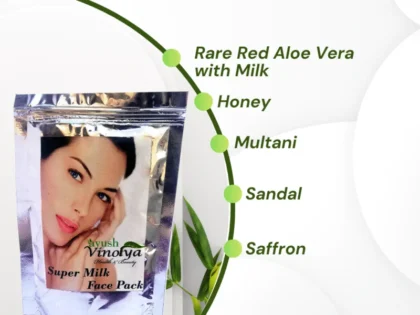
Multani Mitti for Oily Skin
Multani mitti, or fuller’s earth, is commonly used in clay-based face packs. It can help absorb surface oil, making it a popular ingredient in formulas designed for oily skin.
It can also absorb moisture so if you have dry or sensitive skin, use it sparingly and don’t leave the pack on until your skin feels uncomfortably tight.
Glycerin and Hyaluronic Acid for Moisture
Humectants such as glycerin and hyaluronic acid help to pull and retain water in the outer layers of the skin. They can be helpful in hydrating masks for dry or dehydrated skin.
Make your skin care routine more comfortable by choosing formulas that contain hydrating ingredients and products that help support your skin’s protective barrier.
Niacinamide for Uneven Skin Tone
Niacinamide is a form of vitamin B3 that can be found in many skincare products to help support the skin barrier and improve the appearance of uneven skin tone. It may also help control excess oil for some people.
Remember that results are formulation-dependent and must be used consistently when selecting a brightening product. A face pack is not likely to tackle significant pigmentation.
How to select a face pack based on your skin type
The right product should be appropriate for your skin’s condition and tolerance.
For dry skin: Opt for hydrating formulas with glycerin, hyaluronic acid, or appropriate emollients. Follow with a moisturizer.
For oily skin: Try a soft mask based on clay, either kaolin or fuller’s earth. Avoid overuse and aggressive cleansing.
For combination skin: You might prefer a balanced formula or to use different products on different areas if the product directions allow.
FOR SENSITIVE SKIN: Where possible, choose simple, fragrance-free formulas. Steer clear of harsh exfoliants, essential oils, and ingredients that have previously triggered reactions.
If your skin looks dull: A hydrating mask can temporarily improve the look of dry areas. For persistent uneven pigmentation, consider professional advice and a consistent sun protection routine.
A good face pack for glowing skin should feel comfortable on your skin and not burning, too dry or inflamed.
The Right Way to Use a Face Pack
The right application method can help you get the most from your skincare product.
Step 1: Clean your face.
Wash your face with a gentle cleanser to remove dirt, sweat, sunscreen and excess oil. Pat dry; do not rub harshly.
Step 2: Conduct a Patch Test
Test any new product on a small area first, following the product instructions. Try it on a small patch of skin first and check for redness, itching, swelling, or discomfort before applying over your entire face.
Step 3: Use an Even Layer
Apply the face pack evenly, avoiding the eyes, lips, and areas of broken or irritated skin. Follow label directions for the amount to use.
Step 4: Follow the Recommended Time
Do not leave the product on for more time than recommended. Don’t assume leaving a face pack on longer will yield better results.
Step 5: Rinse and Moisturize
If the mask is a rinse-off mask, rinse the product off gently with lukewarm water. Finish with a good moisturizer. Finish off your routine with broad-spectrum sunscreen SPF 30 or higher during the daytime.
If burning, severe itching, or irritation occurs, discontinue use of the product.
Simple Skincare Tips for a Healthy Glow
Using a face pack is just one part of a good skincare regimen. Some simple habits can make a real difference to skin comfort and appearance.
• Cleanse gently: Harsh soaps and washing repeatedly can dry out the skin.
• Moisturize daily: Choose a moisturizer suitable for your skin type.
• Sunscreen: Apply a broad-spectrum sunscreen with an SPF of 30 or higher and reapply as directed, particularly after sweating or spending a long time outdoors.
• Drink enough water: Drink water whenever you feel thirsty.
• Have a well-rounded diet: Include different vegetables, fruits, proteins, and healthy fats.
• Get enough sleep: Regular sleep promotes overall well-being and can help you stick to healthy routines.
• Stay away from harsh DIY ingredients: Lemon juice, baking soda, potent essential oils and abrasive scrubs can aggravate skin.
These habits can be complemented by a face pack for glowing skin but cannot replace daily skin care or professional care.
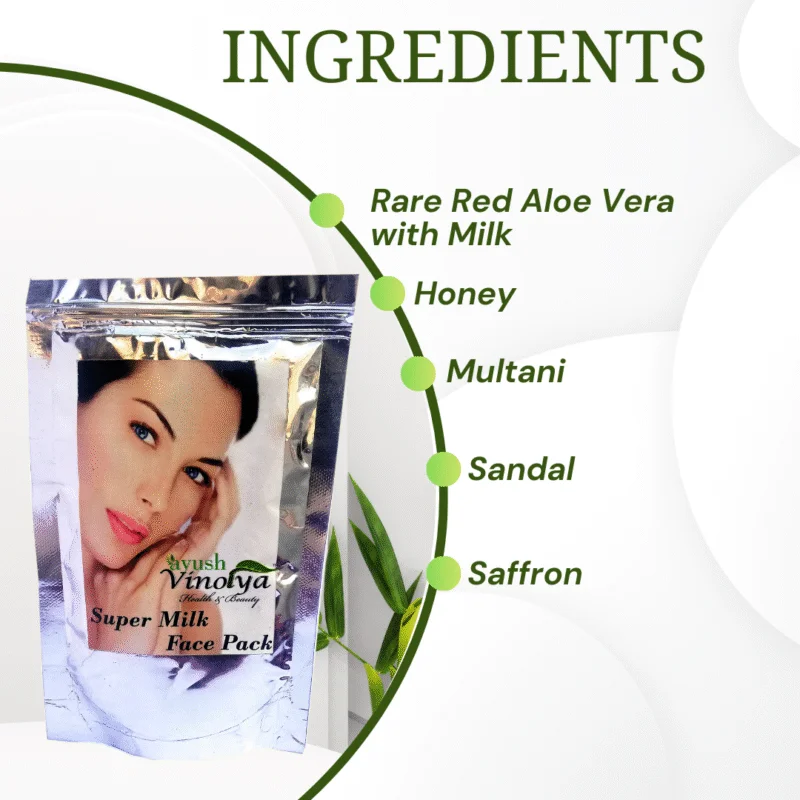
Sai Vinolaya Herbals – Discover Herbal Skincare
Sai Vinolaya Herbals is an herbal personal care products dealing company. Consumers can visit the company to check the available range and product information.
Check the full list of ingredients, the use, directions, and whether it is suitable for your skin type when using a herbal face pack. Botanical ingredients can be beneficial in skin care formulations, but natural products can also cause irritation or allergic reaction.
Select products based on your individual needs and not on instant fairness, permanent skin whitening, or assured results. If you have chronic acne, eczema, pigmentation, or recurrent skin irritation, you should go to a qualified dermatologist for proper guidance.
Summary
An effective skincare routine is more important than using one product for an instant transformation. Gentle cleansing methods, regular moisturizing, and sun protection can help support a healthier-looking complexion, using a suitable face pack.
When choosing a face pack for glowing skin, look for ingredients like aloe vera, glycerin, hyaluronic acid, fuller’s earth, or niacinamide as per your skin type and concerns. Herbal preparations can also be considered if the ingredients are good for your skin.
Use products as directed, do a patch test with new products, and avoid harsh ingredients that can damage the skin barrier. With the right routine and realistic expectations, facial skincare can easily become a simple and consistent part of your daily self-care routine.
FAQs?
1. What pack is best for glowing skin?
What works best depends on your skin type. For dry skin, hydrating masks might work, and gentle clay masks could help manage excess oil. Pick a product with the proper ingredients, and use according to directions on the package.
2. How often can I use the face pack?
Not always. Many face packs are meant to be used once in a while and not every day. Follow the label directions and discontinue use if you experience dryness, redness, or irritation.
3. What are the common natural ingredients in face packs?
Common ingredients include aloe vera, turmeric, sandalwood, fuller’s earth, and other botanical extracts. The effects depend on the formulation, concentration, and individual skin response.
4. Is Herbal Face Pack Good for Sensitive Skin?
Some herbal formulations can be suitable for sensitive skin; however, botanical ingredients can also cause allergies or irritation. Pick a gentle product, patch test before use, and avoid known triggers.
5. How long do I leave a face pack on my face?
Stick to the length stated on the product. If you leave a face pack on longer than it recommends, you may end up with dryness or irritation but not any extra benefits.
6. Will a face pack remove dark spots and pigmentation?
A face pack can give a temporary boost to hydration and appearance of dull skin but is unlikely to help with significant pigmentation on its own. Daily sun protection and appropriate treatment can help, and the patient should be assessed by a dermatologist for persistent pigmentation.
Discover herbal skincare products: https://saivinolayaherbals.com/